Auto Window Tinting in Northwest Arkansas

Window tint installed to Arkansas legal limits, with the installer label the statute actually requires — not the one most shops fit.

Call (479) 458-0425
Free quotes · Mobile service · No pressure
Mobile Service Across NWA
Insurance Claims Welcome
You Choose Your Own Shop
Same-Day and Next-Day Slots

Get a Window Tinting Quote

Tell us the vehicle and how dark you want to go — we will tell you what is legal in Arkansas before you spend anything. Call (479) 458-0425.

  • Free quote on windshield replacement, chip repair, side glass and tint
  • Mobile service to your home or workplace across Northwest Arkansas
  • Straight answers on what your insurance actually covers

Tint That Will Not Get You a Ticket

Window tinting is the one auto glass service where the most common expensive mistake is legal rather than technical. Arkansas sets specific light-transmission limits, and a shop that installs film darker than the statute allows has handed you a citation and a strip-out bill on top of what you already paid.

The short version for a passenger car, on 1994 and later vehicles: the side windows beside and immediately behind the driver must let through at least 25 percent of light, and the rearmost window at least 10 percent. Trucks, buses, motor homes and multipurpose vehicles may go to 10 percent behind the driver. A tint strip is permitted along the top edge of the windshield but may not extend more than five inches down from the top centre. The full breakdown, including the installer label requirement and medical exemptions, is on our Arkansas window tint laws page.

Any tint installer worth using will lead with those numbers rather than asking how dark you want it and staying quiet.
Film Types, and What Actually Matters in an Arkansas Summer

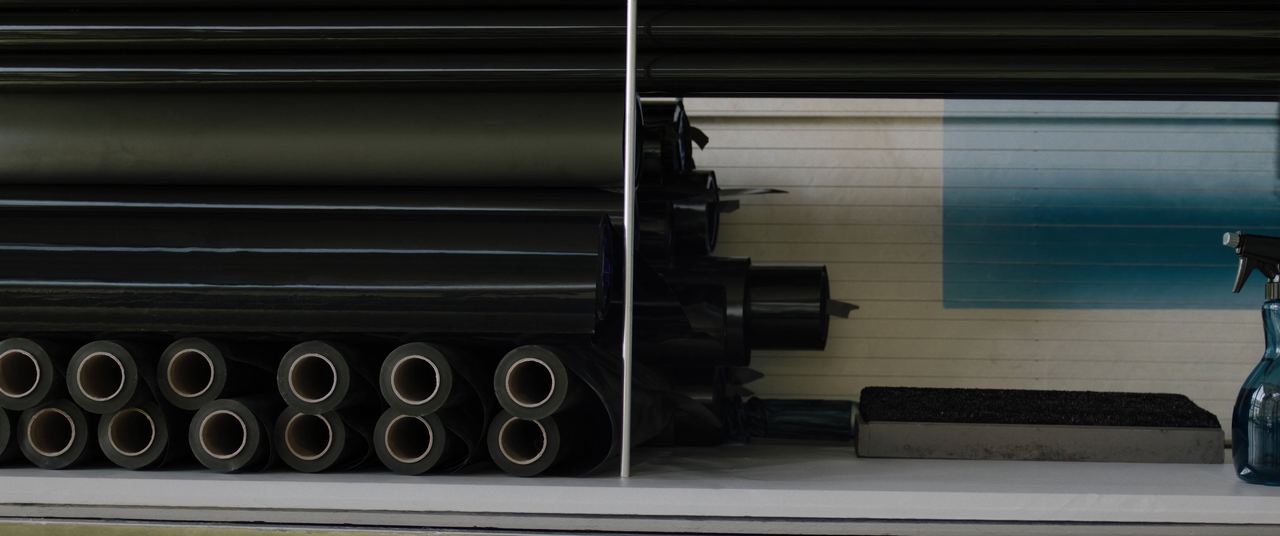
Darkness and heat rejection are two different things, and this is where most people overspend or underspend. A cheap dyed film can look very dark and reject almost no heat. A quality ceramic film at a perfectly legal 35 percent can make a genuinely noticeable difference to how a black interior feels after an afternoon parked in a Rogers lot.

What a Good Tint Job Looks Like

Film is applied to the inside of the glass, so preparation is everything. The glass is cleaned and decontaminated, film is cut to the exact pane, and on curved rear windows it is heat-shrunk to match the compound curve before it goes on. Then it is squeegeed to drive out the mounting solution.

Expect a slightly hazy or lightly speckled look for the first few days — that is moisture still trapped between film and glass, and it clears as it cures. Do not roll the windows down for two to three days, or longer in cold weather, because the film edge has not fully adhered yet. Signs of a poor job are gaps at the edges, visible creases, contamination specks under the film, and light gaps at the top of the door glass.

Also worth knowing: if you have a side window replaced later, the film on that pane goes with the old glass and needs redoing.

Cracked Windshield? Get It Handled This Week.

One call gets you a real price on the glass your vehicle actually takes, and a mobile slot that works around your day.

(479) 458-0425

Auto Glass Questions, Answered

How dark can I legally tint my windows in Arkansas?

On 1994 and later vehicles, a passenger car needs at least 25 percent net light transmission on the side windows beside and immediately behind the driver, and at least 10 percent on the rearmost window. Trucks, buses, motor homes and multipurpose vehicles may go to at least 10 percent behind the driver. A tint strip is allowed along the top edge of the windshield, no more than five inches down from the centre.

What happens if my tint is too dark?

Operating with non-compliant after-market tint is unlawful under Ark. Code 27-37-306 and can be cited. Beyond the citation, you are left paying to have the illegal film stripped and, if you still want tint, paying again for legal film.

Is ceramic tint worth the extra cost?

In an Arkansas summer, generally yes. Ceramic film rejects substantially more infrared heat at the same legal darkness as cheaper film, holds its colour instead of turning purple, and does not interfere with radio, GPS or tyre pressure sensors.

How long before I can roll my windows down?

Two to three days in warm weather, longer when it is cold. The film edge needs time to adhere fully, and rolling the glass down early is the most common way a fresh tint job gets ruined.

Why does my new tint look hazy?

Trapped moisture between the film and the glass, which is normal. It clears on its own over a few days to a couple of weeks depending on temperature and humidity.

Tap to Call — (479) 458-0425